
Juries are generally a group of people that consist of six to twelve people. They are part of the U.S. Criminal Justice system and jury trials within the United States. In the United States, there are two different types of Juries that serve different types of functions within the federal court system. Trial juries and grand juries.
Table of Contents
Jury types
Trial Jury
Grand Jury
Juror qualifications
Types of Juries in the United States
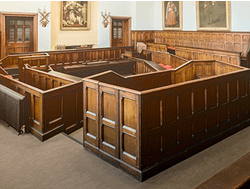
In the U.S. the ultimate role of a jury is to determine if someone is innocent or guilty of the charges that have been brought against them.
All evidence in a criminal case is a factor and juries are required to come to a unanimous decision when looking at all the evidence in a trial. There cannot be doubt from even one juror, or conviction cannot happen.
Trial Jury
A trial jury helps decide whether the person standing trial known as the defendant who is charged with the crime at hand committed such offenses in a criminal case. When talking about a civil case the trial jury will also decide if the defendant injured the plaintiff. The following consist of a typical trial jury within the U.S.
- Trial jury consist of anywhere from 6 to 12 people
- Trial are typically public
- Deliberations are private
- The defendant has the right to testify, appear, and call witnesses
- A verdict is the final outcome within a civil case
- Guilty or not guilty in a criminal case
Grand Jury
A grand jury is different from the trial jury as it is presented and shown evidence for the United States attorney and also from prosecutors in criminal federal cases. The grand jury needs to make sure there is probable cause from an individual that has committed a crime and should they be put on trial. In the United States a grand jury will consist of:
- 16 to 23 people
- Proceeding of a grand jury is not open to public
- Attorneys and defendants have no right to appear before the jury
Civil Jury
Civil juries are not there to decide if someone is innocent or guilty, rather hear testimony from both sides on a civil hearing. Typically these cases are open to the public with the deliberations being private. Civil cases typically involve a company or individual that has legal issues with another.
Juror qualifications
There are some qualifications that need to be meet in order to be qualified as a juror within the U.S. They are as follows:
- Must be 18 years of age
- Citizen of the United States
- Reside within the judicial district for one year
- Complete the juror qualification form and be proficient in English
- No physical condition or disqualifying mental condition
- Never been convicted of a felony
- Currently no felony charges punishable by prison for more then one year
With that said there are some groups that are exempt from federal jury service and they are as follows:
- Armed forces on active duty
- Professional police and fire departments
- Federa, state or local goverment public officers who are full-time of public duties
Types of Juries differ but there importance to the court system does not. Jury service is what helps keep the court system running by providing a service that helps the American people.
